
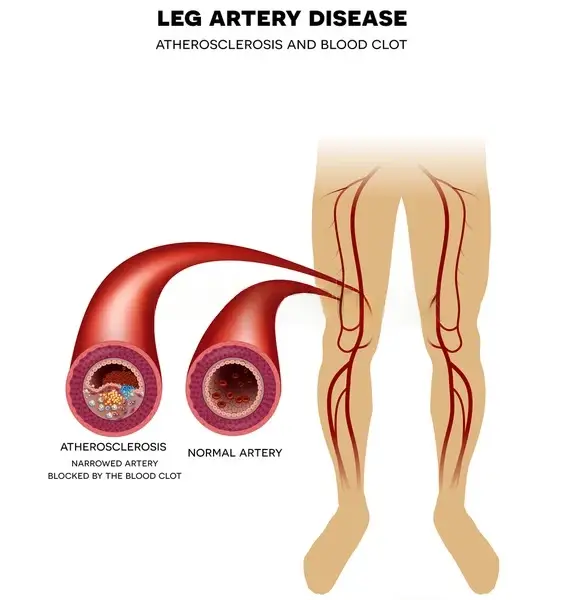
Many health conditions, including peripheral artery disease, can first show signs in the feet and lower limbs. Our thorough vascular and neurovascular assessments help identify circulation or sensation changes early, allowing for timely care planning and coordination with your GP when required.
Early identification and assessment are key to maintaining foot health, mobility, and overall wellbeing.
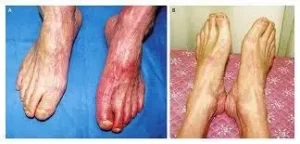
Poor circulation, often related to Peripheral Arterial Disease, occurs when blood flow through the arteries is reduced. This means less oxygen and fewer nutrients are delivered to the tissues in your feet and lower legs.
Over time, this can affect skin health, wound healing, and overall foot function.
Common Signs and Symptoms
Symptoms can vary, but common signs of reduced circulation include:
- Cold feet or toes
- Pale, bluish, or shiny skin
- Reduced hair growth on the legs
- Cramping or pain in the legs when walking (often relieved by rest)
- Slow healing cuts or wounds
- Numbness or tingling
In more advanced cases, pain may occur even at rest, particularly at night.
What Causes Poor Circulation?
Several factors can contribute to reduced blood flow:
Atherosclerosis (narrowed arteries)
Build-up of plaque in the arteries restricts blood flow.
Diabetes
Can damage blood vessels and affect circulation over time.
Smoking
Significantly increases the risk of vascular disease.
High blood pressure and cholesterol
Contribute to arterial narrowing.
Age and reduced mobility
Circulation naturally changes over time, particularly in older adults.
Why Circulation Matters for Foot Health
Healthy circulation is essential for:
- Delivering oxygen and nutrients to tissues
- Supporting skin integrity
- Healing wounds effectively
- Reducing the risk of infection
When circulation is reduced, even minor foot issues—such as cuts, blisters, or ingrown toenails—can become slow to heal and more prone to complications.
How Circulation Is Assessed
At Home Base Podiatry, we use evidence-based vascular assessments to evaluate blood flow to the feet.
This may include:
- Ankle Brachial Pressure Index (ABPI)
- Toe Brachial Pressure Index (TBPI)
These simple, non-invasive tests measure blood pressure in the arms and lower limbs to assess how well blood is flowing to your feet.
Importantly, these assessments are often performed in clinical or hospital settings—however, Home Base Podiatry brings this level of care directly to your home.
When to Seek Professional Care
You should consider a vascular assessment if you notice:
- Persistent cold or discoloured feet
- Pain in the legs when walking
- Slow healing wounds or skin changes
- Reduced sensation in the feet
- Any concerns about circulation, particularly if you have diabetes
Early assessment allows for timely intervention and referral if required.
How to Improve Circulation
While medical management may be required in some cases, simple strategies can support circulation:
- Regular gentle exercise (e.g., walking)
- Wearing well-fitting footwear
- Avoiding smoking
- Managing blood sugar, blood pressure, and cholesterol
- Routine foot assessments
A More Comprehensive Approach to Foot Health
At Home Base Podiatry, circulation assessment is not an optional extra—it is an important part of understanding your overall foot and lower limb health.
Your initial consultation includes a comprehensive assessment and can help identify early signs of vascular changes, even before symptoms become significant.
Book a Home Visit
If you have concerns about circulation in your feet, early assessment can provide clarity and peace of mind.
Home Base Podiatry offers comprehensive mobile podiatry care across Brisbane, including advanced vascular testing in the comfort of your home.